Miami-Dade High Water Bill Leak Adjustment: What to Know
Last checked against official sources: October 11, 2026
A water bill that suddenly jumps is often the first sign of a hidden leak, especially one underground or behind a wall where you’d never see it. If that happens in Miami-Dade, you may be able to ask your water utility for a billing adjustment once the leak is found and repaired. Whether you qualify, and how much is adjusted, depends on your utility’s rules.
This guide explains how the Miami-Dade high water bill leak adjustment process generally works for customers of the Miami-Dade Water and Sewer Department (WASD), what WASD currently asks for, and how to check the rules if your water comes from a different utility.
Important: Leak Detection Miami FL is not a water utility or a government agency. We can’t submit adjustment requests, decide eligibility, or guarantee a credit. Only your water utility can do that. We connect people with independent local leak detection providers. Need help finding the leak first?
Can I Get a High Water Bill Leak Adjustment in Miami-Dade?
Possibly. WASD lists a high bill caused by a leak concealed underground or behind a wall as one of the situations that may qualify for an adjustment. But it isn’t automatic. The leak generally has to be repaired, the request has to be submitted on time with documentation, and WASD makes the final decision under its rules. Each utility sets its own high water bill leak adjustment rules.
Keep these steps separate in your mind:
- Finding the leak, which is where leak detection can help
- Repairing the leak, usually by a plumber or other qualified person
- Paying your bill, since WASD’s forms ask for payments while a request is reviewed
- Requesting an adjustment, by submitting the utility’s form and documents
- The utility’s decision, which may approve, reduce or deny the request
If your water comes from a utility other than WASD, its rules can be different.
Which Utility Serves My Property?
Check the name and logo at the top of your water bill. That tells you which utility bills you, and that utility’s rules are the ones that apply. Your utility decides whether a high water bill leak adjustment is available.
Most of Miami-Dade County is served by WASD, but not every property is. Some cities run their own water or utility billing. The City of North Miami, for example, has its own utility billing division and its own adjustment rules, and it asks customers to confirm their service is provided by the city before submitting a request.
If you’re not sure who your provider is:
- Look at the utility name, account number format and payment address on your bill
- Check your online account, if you have one
- Call the customer service number printed on your bill
The rest of this guide focuses on WASD. If your bill comes from another utility, use that utility’s official guidance instead.
How Do I Check WASD’s Current High Water Bill Leak Adjustment Policy?
The most reliable source is WASD’s own Water Bill Adjustments and Credits page on miamidade.gov, along with its Underground/Concealed Leak Adjustment Request form. Policies, fees and forms can change, so check them directly before you rely on any summary, including this one. Always confirm the current high water bill leak adjustment terms directly with WASD.
What WASD’s official pages said when we checked
Here is a summary of what WASD’s official adjustment page and request form said on October 11, 2026. Treat it as a starting point, not a substitute for the official pages.
Which leaks are covered
- WASD’s adjustment page lists a high bill caused by a leak concealed underground or behind a wall.
- WASD’s printable form, which quotes its Rules and Regulations, says no adjustment is made for leaks in toilets, water heaters, washing machines, valves, spigots, or other fixtures that can be visually inspected.
Timing
- WASD’s adjustment page says repairs must be completed within 30 days after the department notifies you of a possible plumbing problem.
- WASD’s online form says the form must be submitted within 30 days after notification by bill, letter or doorhanger indicating high water use, and that repairs must be final.
Documents WASD asks for
- A completed, signed adjustment request form from the account holder
- A repair invoice or statement, such as a contractor’s or plumber’s invoice detailing the repair, date, location and materials. For minor repairs made by an individual, WASD’s form accepts a written statement with a purchase receipt.
- Legible before-and-after photos showing the repair location in relation to the building. The form notes that close-ups alone may not show the location.
Inspection
- Repairs must be inspected by the department before being covered, unless they’re in a hazardous area, in which case detailed photos are required.
- Access to the property may be needed. WASD’s form says that if the meter shows water registering at the time of inspection, the repair won’t be considered final.
Payments and fees
- WASD’s adjustment page says to submit payment of 40 percent of current charges or verify the account is paid in full.
- WASD’s online form says all prior balances must be paid and a partial payment equal to the average bill submitted, and it includes a $30 administrative processing fee.
Because these two descriptions differ, confirm the current payment requirement and fee directly with WASD.
How adjustments are calculated
- For accounts billed monthly, WASD says adjustments apply only to the wastewater (sewer) portion of the bill, not the water portion.
- Otherwise, WASD describes adjustments of 50 percent on the water portion and 100 percent on the wastewater portion, above the prior year’s average usage.
- WASD also describes a one-time lifetime 100 percent adjustment on the water portion if the water loss is more than six times the prior year’s average, applied to one billing cycle. Its form says that if this is granted, future requests won’t be considered.
Processing time: WASD’s form says a request may take up to 60 days.
How to submit: WASD’s adjustment page says the form and documents can be sent by fax, mail or email, marked “Leak Credit.” The online request form can also be submitted electronically. Check the official pages for current addresses and email.
What Should I Do If I Think a Leak Caused My High Bill?
Start by confirming whether water is actually escaping, then find and repair the source, keeping records as you go. Because deadlines can be short, it helps to act quickly once you notice the bill. Finding and fixing the leak first is usually required before any high water bill leak adjustment. Ask the utility how its high water bill leak adjustment timeline works.
- STEP 1
Compare usage, not just dollars.
Check the gallons used and the billing dates.
- STEP 2
Rule out the simple causes.
Check toilets, faucets, irrigation, the pool fill and any recent changes in household use.
- STEP 3
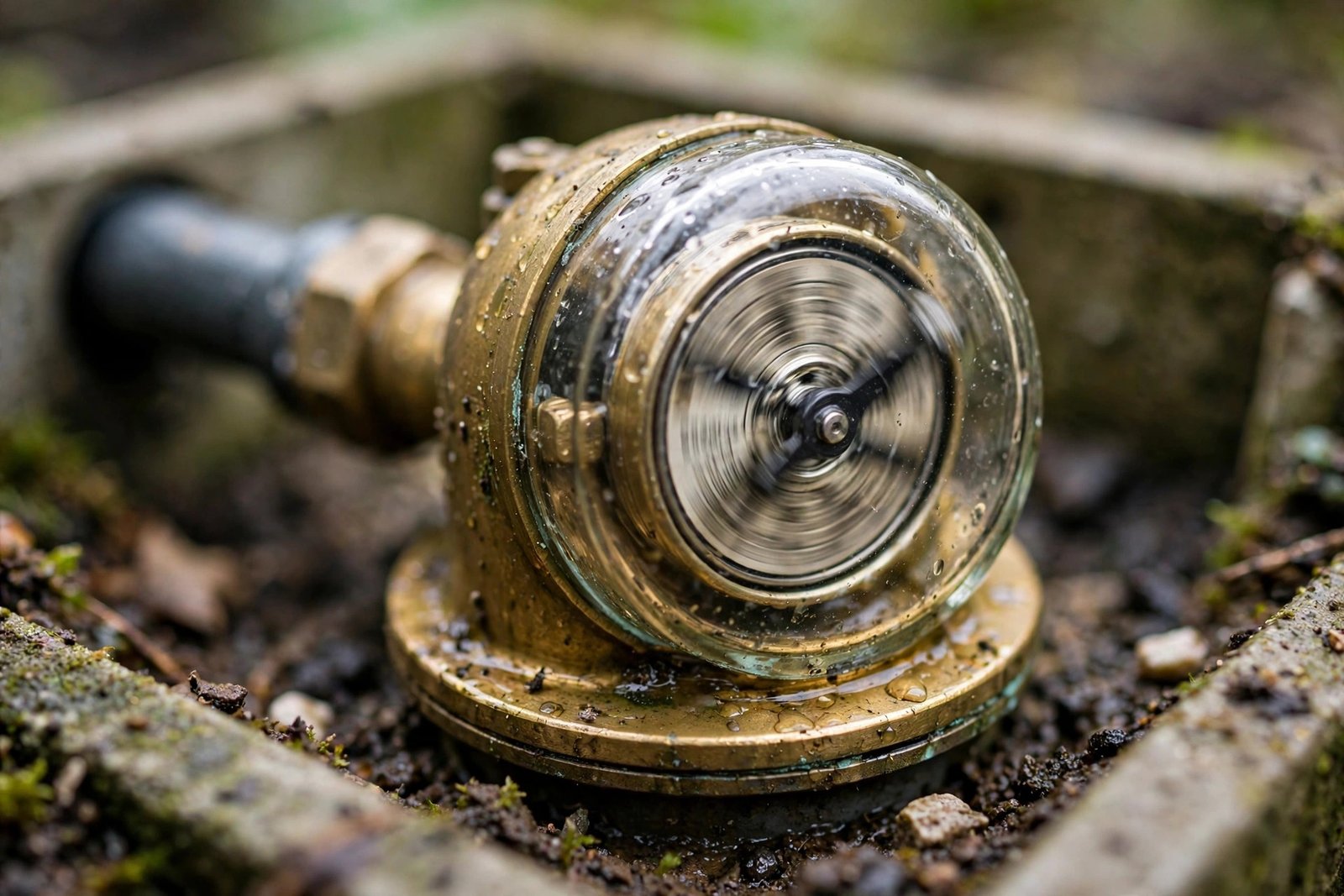
Check the meter.
With all water off, see whether the meter moves. If it does, water is escaping somewhere.
- STEP 4
Note the notification date.
Write down when you received the bill, letter or doorhanger about high usage. WASD’s timing is measured from that notice.
- STEP 5
Find the source.
If you can’t see the leak, a leak detection professional can help locate it.
- STEP 6
Arrange the repair
and keep it uncovered until the utility’s inspection requirements are clear.
- STEP 7
Contact your utility
with questions about the bill, payments and the adjustment process.
How Should I Document the Leak and the Repair?
Good records make an adjustment request easier to review. WASD’s form specifically asks for repair documentation and before-and-after photos, so start collecting them as soon as you suspect a leak. Good records make a high water bill leak adjustment request easier to review. Keep repair invoices with your high water bill leak adjustment paperwork.
Photos
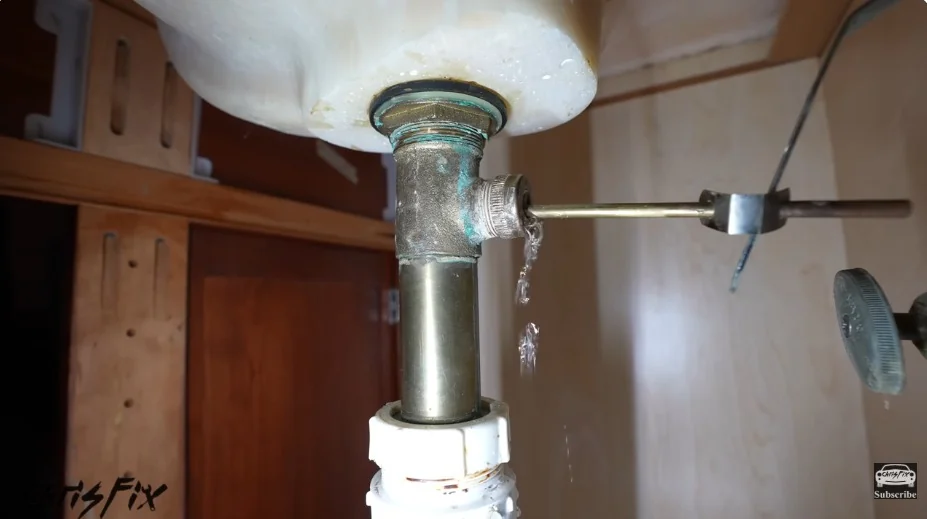
- The leak area before the repair, taken from far enough away to show where it is in relation to the house or building
- Close-ups of the damaged pipe, if possible
- The completed repair after it’s done, again showing location
- The water meter readings before and after the repair
Repair paperwork
- The repair invoice, showing what was repaired, where, when and what materials were used
- The plumber’s license number, if a licensed plumber did the work. WASD’s form has a field for it.
- If you made a minor repair yourself, a written statement describing the repair with your purchase receipts, as WASD’s form describes
Bills and notices
- The high bill and any letter or doorhanger from the utility
- Several previous bills, to show your normal usage
- Records of any payments made while the request is under review
Leak detection findings, if a provider gives you written findings or photos. These aren’t listed as a WASD requirement, but they can help you and your plumber understand what was found.
How Do I Review My Billing History and Usage?
Your billing history shows whether a high bill is a real change in usage, and how big it is compared with your normal pattern. WASD’s adjustments are calculated against the prior year’s average usage, so your history matters. Usage history shows the jump that a high water bill leak adjustment may cover. Compare those months before you ask about a high water bill leak adjustment.
- Compare the same seasons. Compare the high bill with the same period last year, not just the previous bill.
- Look at usage in gallons or units, not only the total cost.
- Check the reading type. WASD has said it uses estimated readings when a meter is inaccessible, damaged or not communicating. A catch-up after an estimate can look like a spike.
- Compare your meter with your bill. The current number on your meter should be equal to or higher than the current reading on your bill. If it isn’t, contact your utility.
- Ask about a meter test if you suspect the meter itself. WASD offers a certified meter test by request. Its page says that if the meter is found to be legally accurate, the account is billed for the cost of testing.
What Should I Confirm Before Requesting a High Water Bill Leak Adjustment?
Before submitting, confirm these points directly with your utility or its official pages: Missing details can delay a high water bill leak adjustment review.
- Your property is served by WASD, or you have the correct utility’s rules
- The current deadline, and the date it’s counted from
- Whether your type of leak is eligible
- Whether the repair must be inspected before it’s covered, and how to schedule that
- The current payment requirement while the request is reviewed
- Any processing or inspection fee
- The current form, and where to send it
- Whether you want to request the one-time lifetime adjustment, if it may apply, and what that means for future requests
- That every required document is attached, since WASD’s form says missing items may delay or deny a request
Why Isn’t a High Water Bill Leak Adjustment Guaranteed?
An adjustment isn’t guaranteed because the utility decides each request under its rules, and many requests fall outside them. Common misunderstandings include: Approval of any high water bill leak adjustment is up to the utility.
- “Any leak qualifies.” WASD’s adjustment covers leaks concealed underground or behind a wall. Its printed rules exclude visible fixtures such as toilets, water heaters, faucets and valves.
- “Fixing the leak means I’ll get a credit.” Repair is required, but it doesn’t guarantee approval. Timing, documents, inspection and payments also matter.
- “The whole bill will be erased.” WASD describes adjustments based on usage above the prior year’s average, with different treatment for the water and sewer portions. Monthly-billed accounts receive sewer-only adjustments.
- “I can apply whenever I want.” Deadlines apply, counted from the utility’s notice.
- “Leak detection proves I qualify.” Detection helps find the source. Eligibility depends entirely on the utility’s rules.
- “I can stop paying until it’s decided.” WASD’s forms describe payments due while a request is reviewed.
If a request is denied or you disagree with the amount, WASD’s page describes an administrative hearing process, with deadlines and a fee if the decision favors the department. Check the official page for current details.
How Can Professional Leak Detection Help?
If your bill is high and you can’t find the cause, professional leak detection can help locate a hidden leak under a slab, behind a wall or in an underground water line. Knowing where the leak is lets the right repair happen, and repairs and documentation are central to an adjustment request. A written leak location can support a high water bill leak adjustment request.
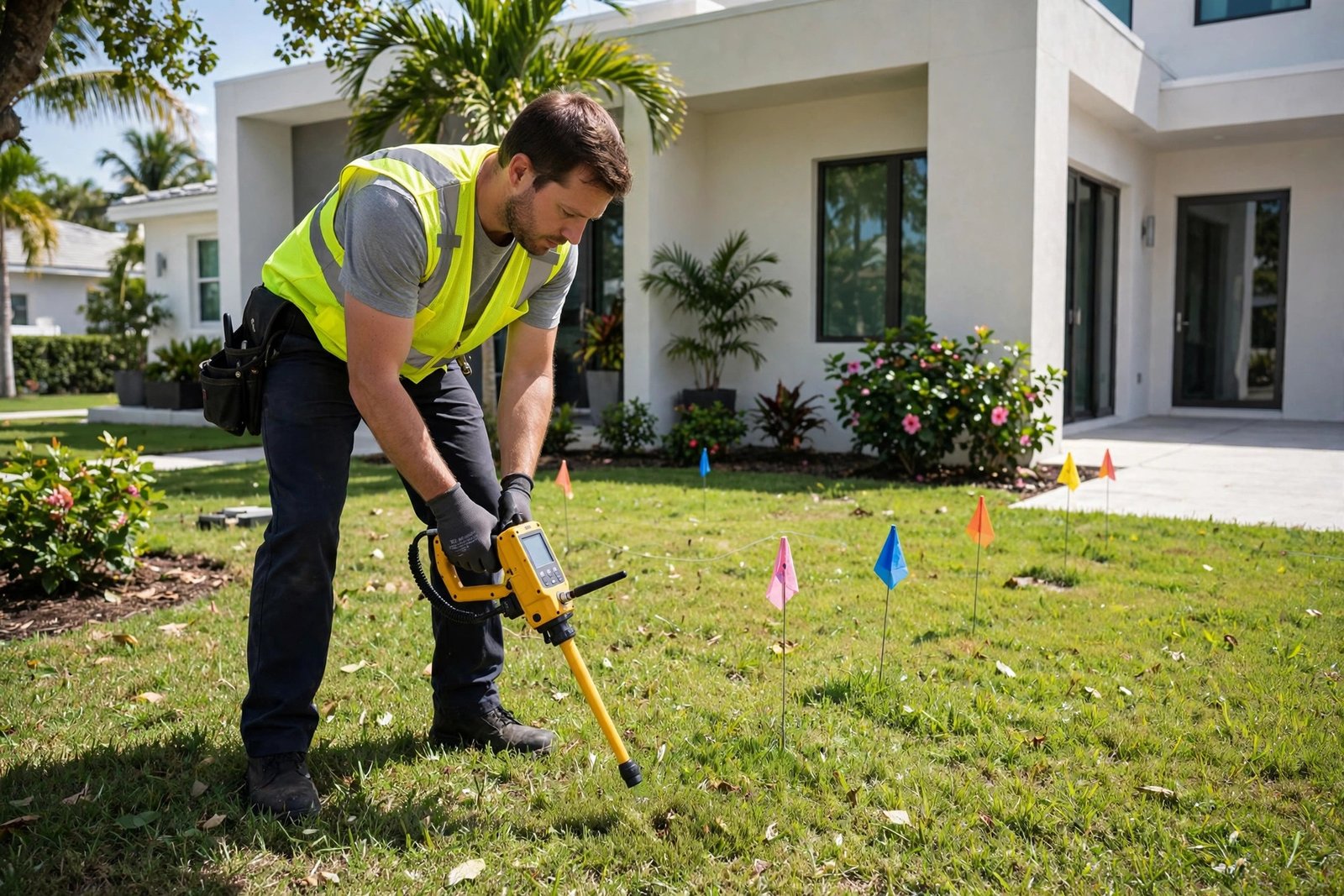
Leak detection doesn’t determine eligibility for an adjustment, and providers typically charge for detection separately from any repair. Some providers can provide written findings or photos, while others can’t. Ask before booking. See Leak Detection Cost in Miami.
How Does Leak Detection Miami FL Help?
Leak Detection Miami FL is a referral service. We connect you with independent local leak detection providers in Miami-Dade. We do not process a high water bill leak adjustment; the utility does.
- 01
You contact us
and describe what you’re seeing, such as a high bill or a moving meter.
- 02
We connect you with an independent local provider.
- 03
The provider contacts you directly
to discuss the problem, scheduling and their pricing.
Back to Leak Detection in Miami.
High Water Bill Leak Adjustment FAQs
Does Miami-Dade offer a water bill adjustment for leaks?
WASD lists a high bill caused by a leak concealed underground or behind a wall as one of the situations that may qualify for an adjustment. The leak must be repaired, documentation submitted, and WASD makes the final decision. Check WASD’s Water Bill Adjustments and Credits page for current rules.
How can I check whether my property is served by WASD?
Look at the utility name at the top of your water bill. Most of Miami-Dade is served by WASD, but some cities, such as North Miami, run their own utility billing with different rules. If you’re unsure, call the number on your bill.
Must a leak be repaired before requesting an adjustment?
For WASD, yes. Its adjustment page says no adjustment will be applied if repairs haven’t been completed, and its form says repairs must be final. WASD may also need to inspect the repair before it’s covered.
What documents might the utility require?
WASD’s form asks for a completed and signed request form, a repair invoice or statement, and before-and-after photos showing the repair location. Requirements can change, so check the current form.
Is there a deadline to apply?
WASD’s official pages describe a 30-day window counted from the department’s notice of possible high usage or a plumbing problem. Its two pages describe the window slightly differently, so confirm the current deadline with WASD and act quickly.
Does every type of leak qualify?
No. WASD’s adjustment applies to leaks concealed underground or behind a wall. Its printed rules say leaks in toilets, water heaters, washing machines, valves, spigots and other visible fixtures don’t qualify.
Does finding a leak guarantee a billing credit?
No. Finding and repairing a leak is part of the process, but WASD decides each request based on its rules, timing, documentation, inspection and payment requirements.
Can leak detection help identify the source of unusually high water usage?
Yes. If your meter moves with all water off and you can’t find the cause, a leak detection professional can help locate a hidden leak. That helps with repairs, but it doesn’t determine eligibility for an adjustment.
Who makes the final decision about an adjustment?
Your water utility. For WASD customers, WASD reviews the request, and its page describes an administrative hearing process for disputes.
Need Help Finding the Leak Behind a High Water Bill?
If your water bill jumped and you can’t find the cause, a leak detection professional can help locate a hidden leak so it can be repaired. Contact Leak Detection Miami FL to connect with an independent local provider in Miami-Dade. Locating the leak is often the first step toward a high water bill leak adjustment.
Leak Detection Miami FL is a referral service, not a water utility or government agency. We don’t decide or submit billing adjustments. For questions about your bill, contact your water utility.
Related Leak Detection Resources
Leak Detection Services
Helpful Guides
Areas We Serve

A Miami-Dade referral service connecting homeowners, condo owners and property managers with independent local leak detection providers.
Call us today(645) 465-5599Call NowServices
Leak Detection Miami FL is a referral service and does not perform inspections or repairs. Services are provided by independent local providers.
© 2026 Leak Detection Miami FL. All rights reserved.