
Find Hidden Water Leaks Before They Become Expensive Repairs.
Local Service • Professional Detection • Fast Response
A higher water bill, a stain spreading across the ceiling, or a floor that feels warm for no clear reason can all point to the same thing: a water leak you can’t see. Leak Detection Miami FL helps Miami-Dade homeowners, condo owners, landlords and property managers get professional leak detection for slab leaks, underground water lines, pools, walls and ceilings.
Leak Detection Miami FL is a leak detection referral service. When you contact Leak Detection Miami FL, we connect you with an independent, local leak detection provider who performs the inspection.
Request Leak Detection
Tell Leak Detection Miami FL what you’re seeing and we’ll connect you with a local Miami-Dade pro. To learn how hidden leaks are found and tracked, see the EPA WaterSense guide to leak detection and flow monitoring devices, and Miami-Dade Water and Sewer’s leak detection tips for checking your water meter at home.
Prefer to call? (645) 465-5599
What is leak detection?
Leak detection is the work of finding where hidden water is escaping from a plumbing system before anyone starts opening walls, floors or yards. A trained specialist uses the symptoms, the water meter and diagnostic equipment to narrow the problem to a specific line and location. That information lets you plan a targeted repair instead of guessing.
Leak detection Miami at a glance: Leak detection Miami homeowners ask about most often covers slab leaks, underground water lines, pools, walls and condos. Because so many local homes sit on concrete slabs, leak detection Miami providers often start with pressure tests and acoustic listening. Coastal air, older plumbing and high-rise buildings also shape how leak detection Miami specialists approach each property.
Professional Leak Detection Miami Services
Most hidden leaks fall into a few categories. Each one behaves differently and calls for a different testing approach. Here is a short overview of the leak detection services available through Leak Detection Miami FL.
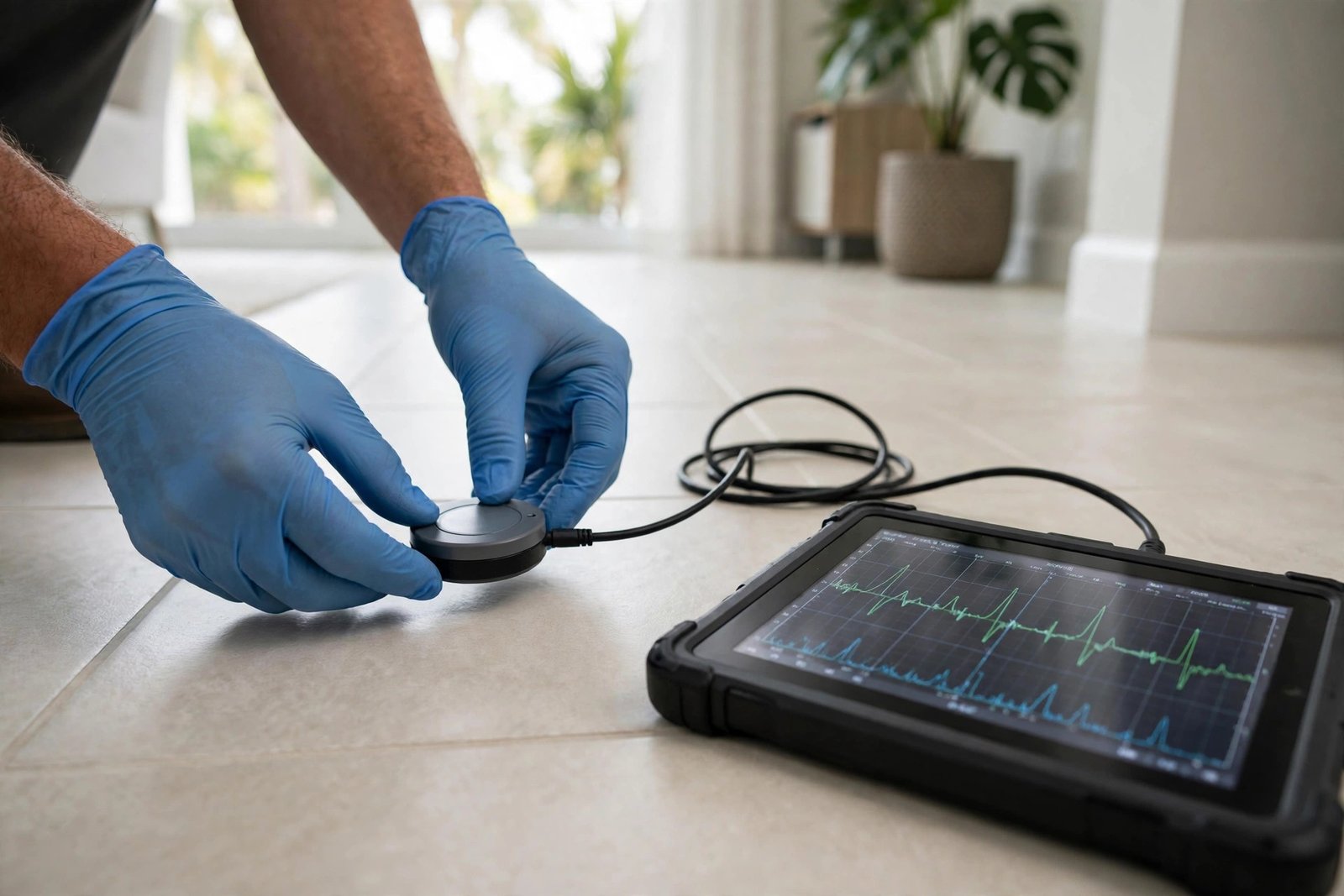
Slab Leak Detection
Many Miami homes are built on concrete slabs, with water lines running below or within the floor. A slab leak can show up as a warm spot on the floor, cracked or damp flooring, or a water meter that keeps moving when nothing is on. Detection focuses on confirming which line is leaking and where along its path.
Slab Leak Detection Miami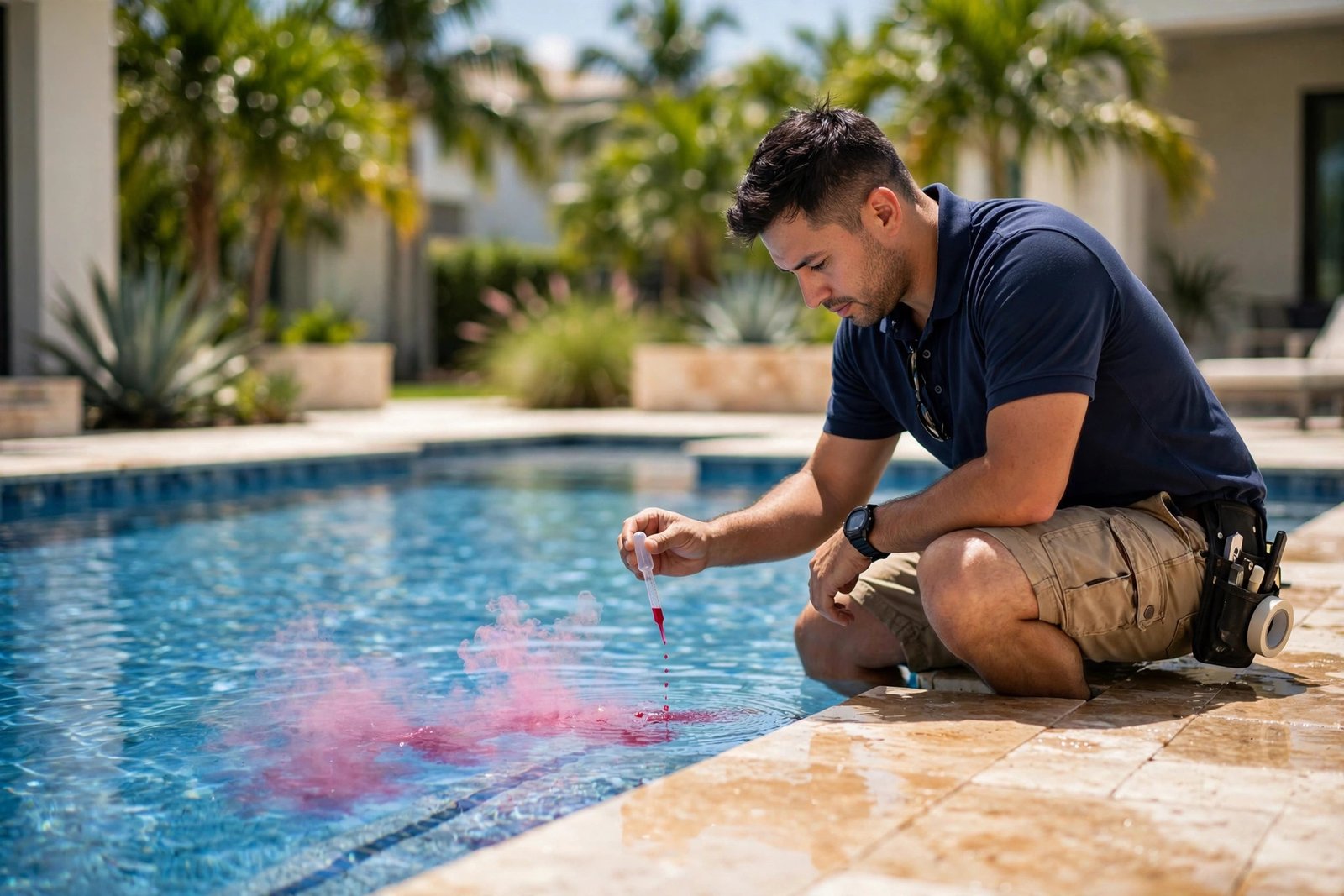
Pool Leak Detection
Every pool loses some water to evaporation, especially in Miami heat. A leak is different, and it can sit in the shell, the skimmer, the return lines, the main drain, a light niche or the equipment pad. Pool leak detection separates normal evaporation from real loss, then works to find the source.
Pool Leak Detection Miami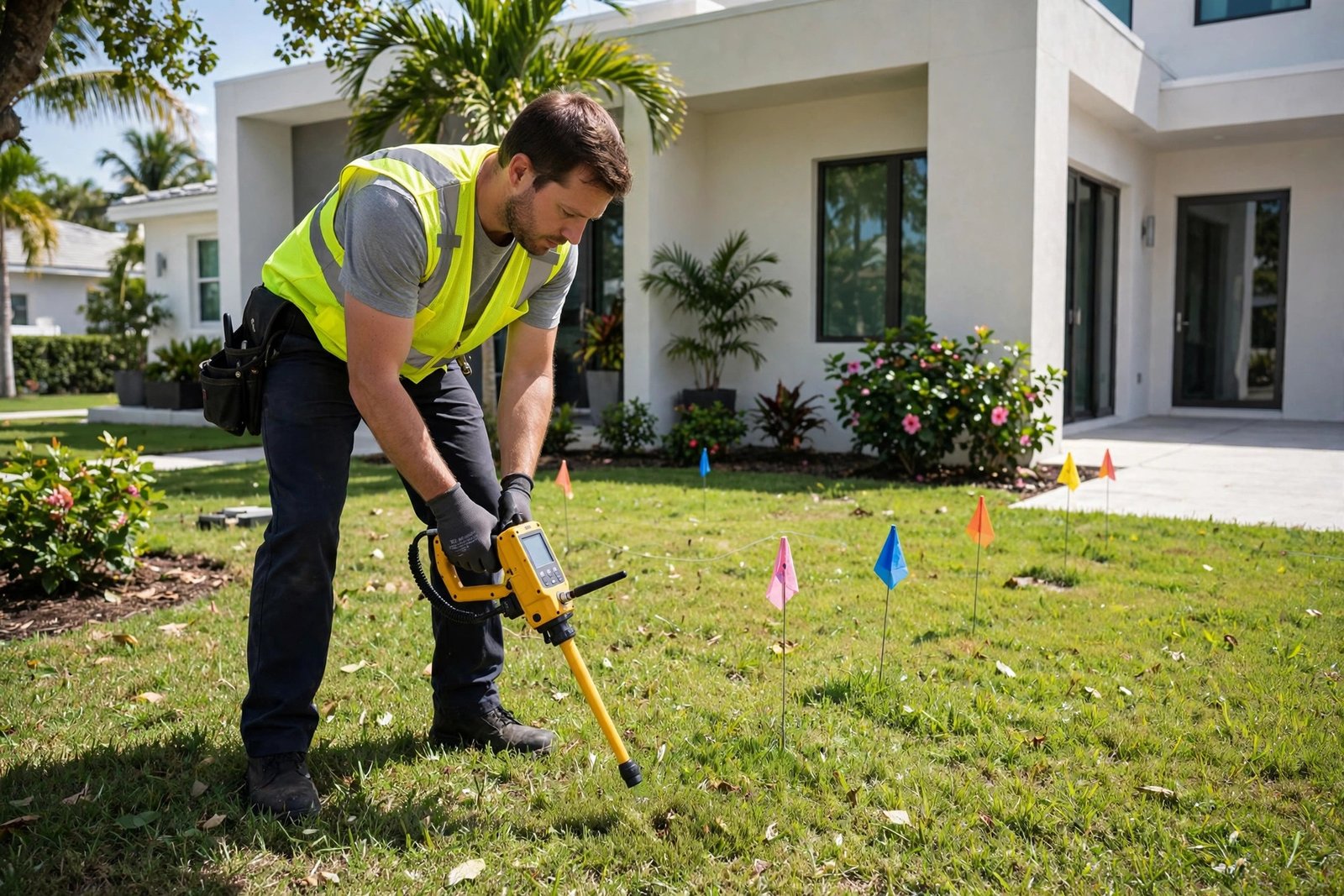
Underground Water Line Leak Detection
The water service line that runs from your meter to your house is buried, so a leak there often stays hidden. Signs can include a wet patch in the yard, soft ground, or a higher bill with no visible water inside the home. Line locating and acoustic testing help pinpoint where the pipe has failed.
Water Line Leak Detection Miami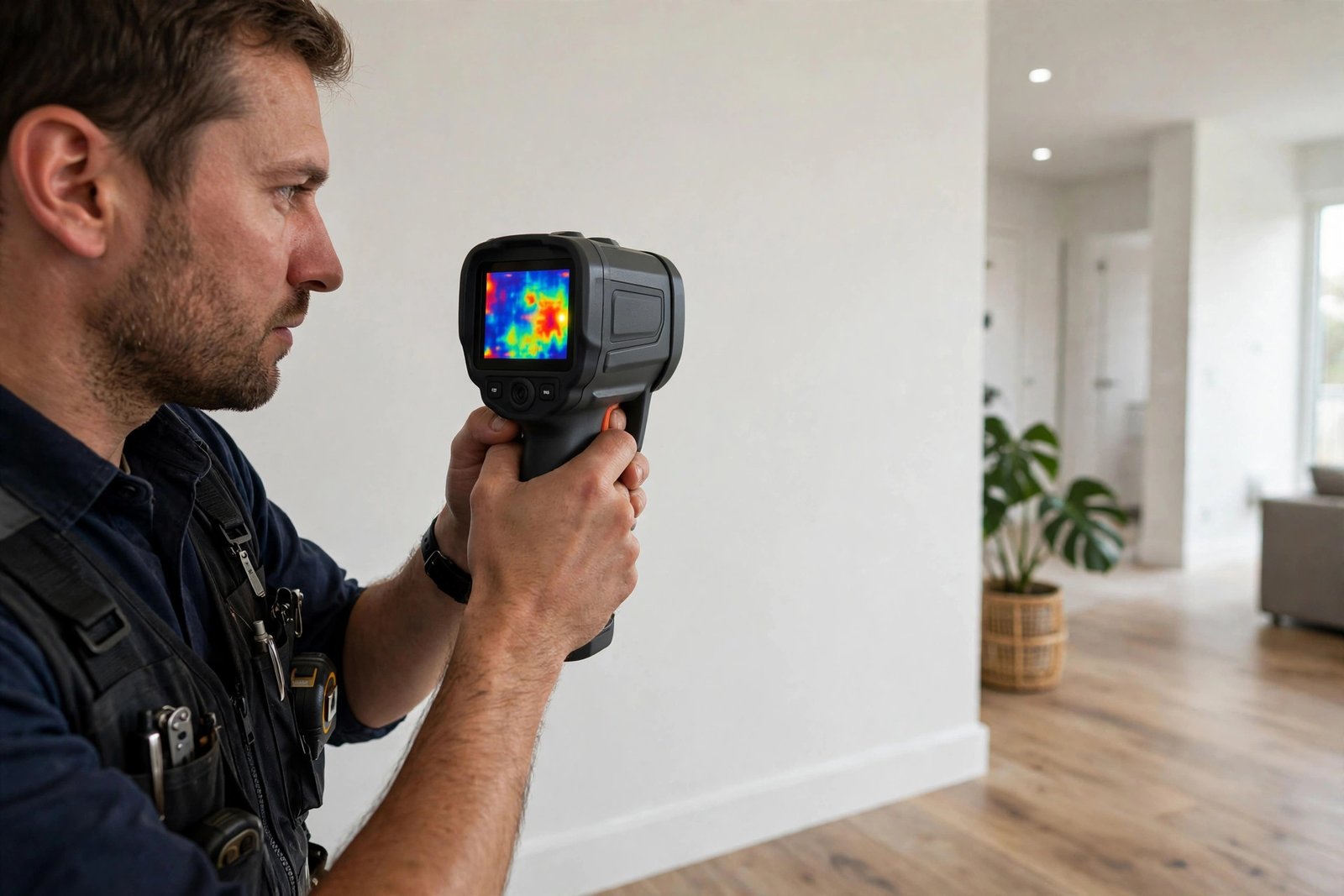
Wall and Ceiling Leak Detection
Water stains, bubbling paint, soft drywall and musty smells often trace back to a supply line, drain or fixture connection inside a wall or ceiling. The goal is to confirm the source before cutting, so any opening is small and in the right place.
Wall and Ceiling Leak Detection
Condo Leak Detection
In a condo, water you see in your unit may start in the unit above, in a shared wall, or in a common building line. Finding the actual source matters for repairs and for sorting out responsibility with neighbors and the association.
Condo Leak Detection Miami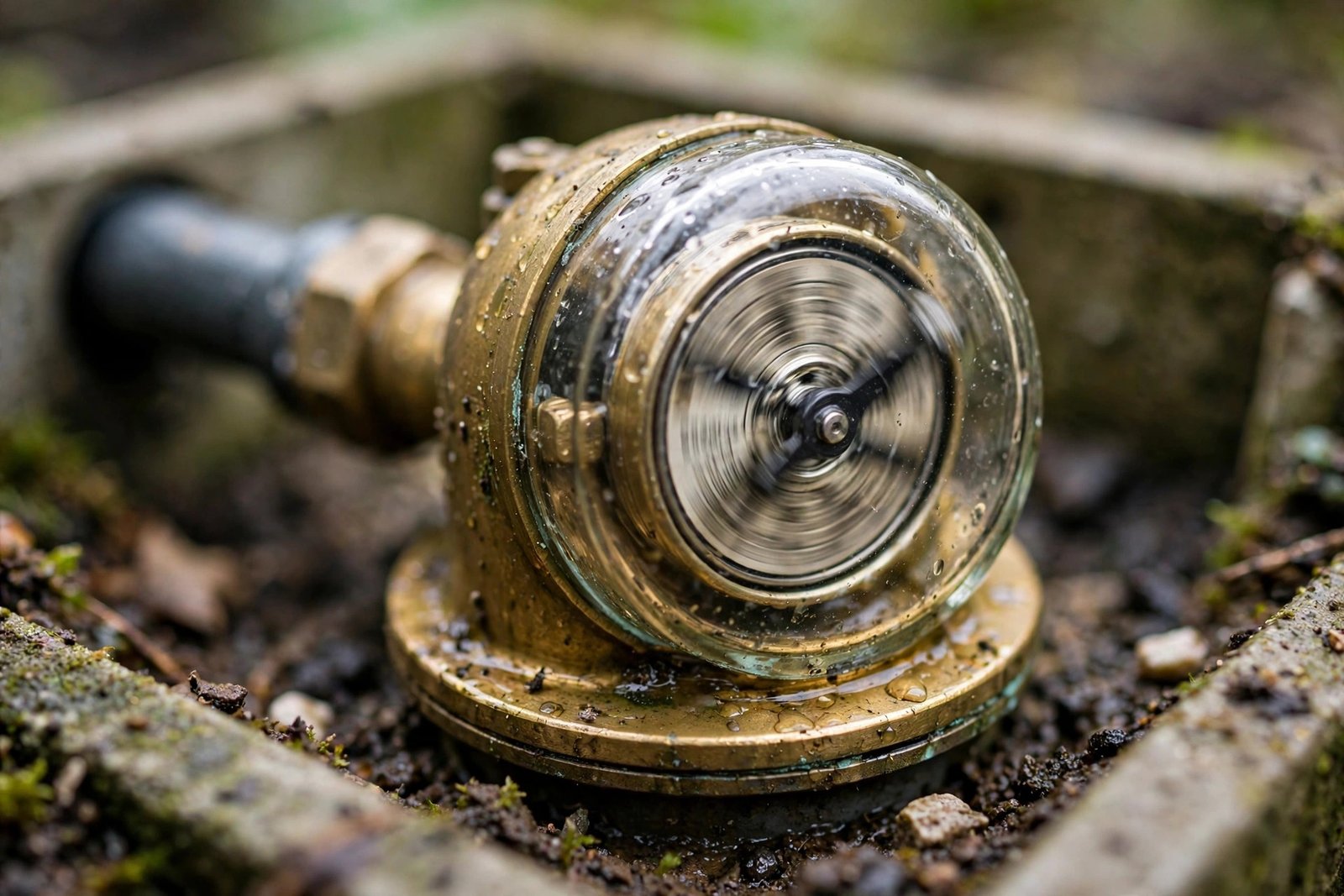
High Water Bill Leak Detection
A sudden jump in your water bill is one of the most common reasons people look for leak detection. When fixtures and toilets check out fine, the cause is often a leak you can’t see, under the slab, inside a wall or underground.
High Water Bill Leak Detection
Commercial Leak Detection
Restaurants, offices, retail spaces and multi-unit buildings have more lines, more fixtures and more at stake when water escapes. Commercial leak detection helps property managers and owners locate problems with as little disruption to operations as possible.
Not sure which service you need?
Tell Leak Detection Miami FL what you’re seeing and we’ll connect you with a local leak detection provider who can start testing in the right place.
Think you have a hidden leak?
Call Leak Detection Miami FL and we’ll connect you with an independent local leak detection provider.
Not Sure Where the Water Is Going?
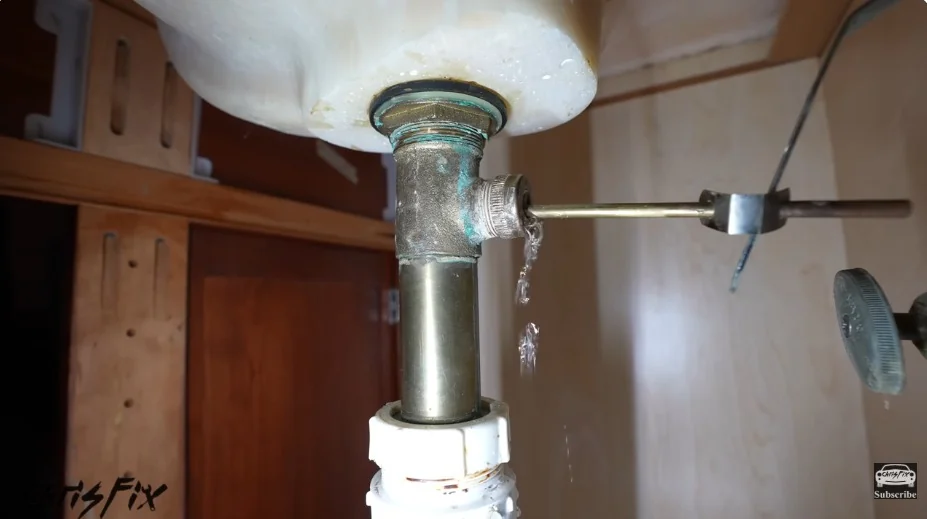
The most reliable sign of a hidden leak is a water meter that keeps moving while every faucet, toilet and water-using appliance is off. Other common signs include an unexplained rise in your water bill, the sound of running water when nothing is on, and moisture damage with no obvious cause.
Each symptom also hints at where to look:
One symptom alone doesn’t prove a leak. Two or more together, especially a moving meter, make testing worthwhile.
A higher water bill with no change in use.
This often points to a continuous leak somewhere in the supply system. Running toilets are a frequent cause, so rule them out first.
A water meter that moves when everything is off.
This suggests water is escaping from a pressurized line, either inside the home or between the meter and the house.
A warm spot on a tile or concrete floor.
This can indicate a hot water line leaking under the slab.
A wet or unusually green patch in the yard.
This can point to a leak on the underground service line or an irrigation line.
Water stains, bubbling paint or soft drywall.
These usually mean water is reaching that surface from a supply line, drain or fixture connection nearby, or from a unit above.
A musty smell or new mold growth.
In Miami’s humidity, hidden moisture can feed mold quickly, so a persistent odor is worth checking.
Lower water pressure.
A significant leak can reduce pressure at fixtures, although pressure problems have other causes too.
A pool that needs frequent refilling.
Water loss beyond normal evaporation may mean a leak in the pool structure or its plumbing.
How Leak Detection Works
Professional leak detection works by narrowing the problem step by step: first to a plumbing system, then to a specific line, then to the most likely location on that line. The right method depends on the type of leak, the pipe material and where the line runs.
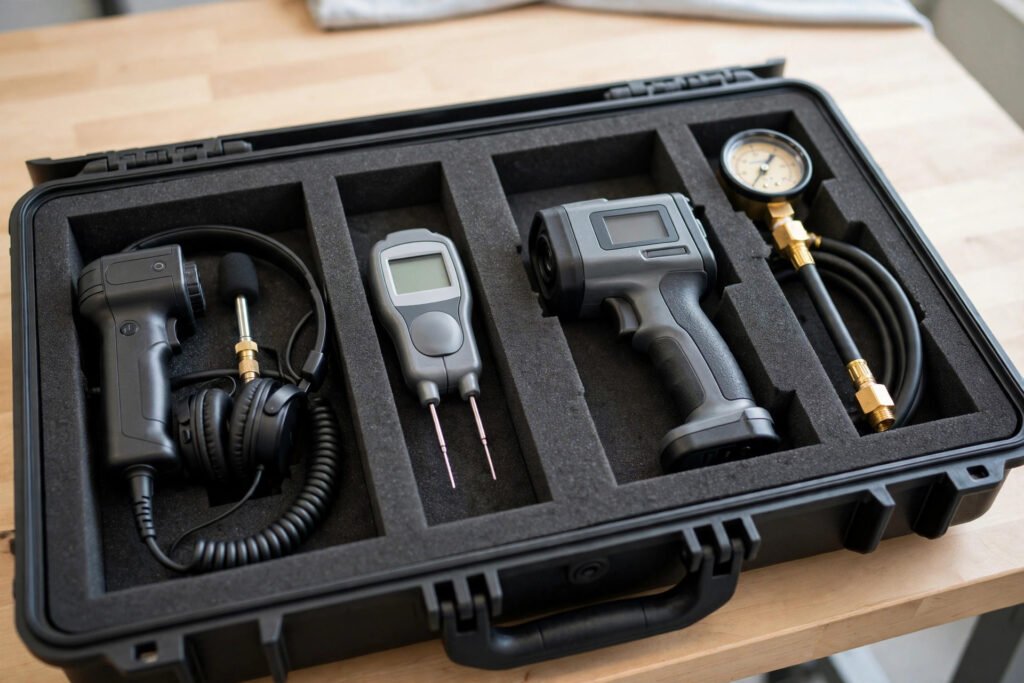
A typical leak detection visit follows these stages:
- 01
Tell Us What You’re Seeing.
The specialist asks what you’ve noticed, when it started, recent bills and any past repairs. Details like a warm floor or a wet yard help decide where to begin.
- 02
Confirm the Leak.
A meter test or pressure test shows whether water is escaping from the system at all. This step can rule out a billing issue or a running fixture.
- 03
Locate the Source.
By testing hot and cold lines separately, or by separating the house from the service line, the specialist narrows which part of the plumbing is losing water, then uses acoustic equipment, thermal imaging, moisture meters or line locating to pinpoint the leak.
- 04
Get Clear Findings.
You receive the suspected leak location and recommendations.
Why Leak Detection Miami Requires Local Knowledge
Leak detection in Miami depends on how local buildings are constructed and how local conditions hide water. The same leak can look very different in a Miami Beach high-rise, a slab home in Miami Lakes and an older house in Miami Shores. These are the factors that shape the work here.
Slab construction.
Many Miami homes sit on concrete slabs, with water lines below or inside the floor. A leak under a slab may never surface as a visible puddle. Water can drain into the ground beneath the home, so the first clue is often the bill or the meter rather than visible damage.
Condos and high-rise buildings.
Stacked units share walls, ceilings and vertical plumbing. A ceiling stain in one unit can come from a bathroom two floors up or from a building riser. Condo leak detection often requires coordination with building management and neighbors before testing can be completed.
Older plumbing systems.
Miami-Dade has homes from many building eras, and older properties may still have original pipe materials that have aged inside the walls and under the floors. Knowing a home’s age helps a specialist decide which lines deserve the closest look.
Underground service lines.
The line from your water meter to your house is your responsibility as the property owner, and it runs underground where leaks are easy to miss. Wet yards, sinking pavers and steady meter movement are common clues.
Pools.
Pools are common across Miami-Dade, and Miami heat drives significant evaporation. That makes it harder for owners to tell whether a pool is simply evaporating or actually leaking. A simple bucket test can help separate the two before professional testing.
Humidity and mold.
Miami’s humid climate means hidden moisture rarely dries out on its own. A slow leak behind a wall can create conditions for mold, which makes early detection more valuable here than in drier climates.
Heavy rain and storms.
During the rainy season and hurricane season, water stains can come from the roof, windows or exterior walls rather than plumbing. Separating rainwater intrusion from a plumbing leak avoids testing the wrong system.
Coastal exposure.
Properties near the water and on the barrier islands face salt air, which can be harder on exposed metal components over time.
High Water Bill in Miami? Check for a Leak First
If your water bill rises sharply and your water use hasn’t changed, a hidden leak is one of the most common explanations. Before assuming a billing error, it’s worth confirming whether water is escaping somewhere in your plumbing.
Knowing where your responsibility begins also matters. Miami-Dade Water and Sewer Department states that it is responsible for the water system up to and including the meter box, and that the property owner is responsible for plumbing beyond that point.
Confirming and repairing a leak can also matter for your bill. WASD has a leak adjustment process for qualifying leaks, and it generally requires proof that the leak was repaired. Requirements and deadlines can change, so check the current rules directly with WASD.
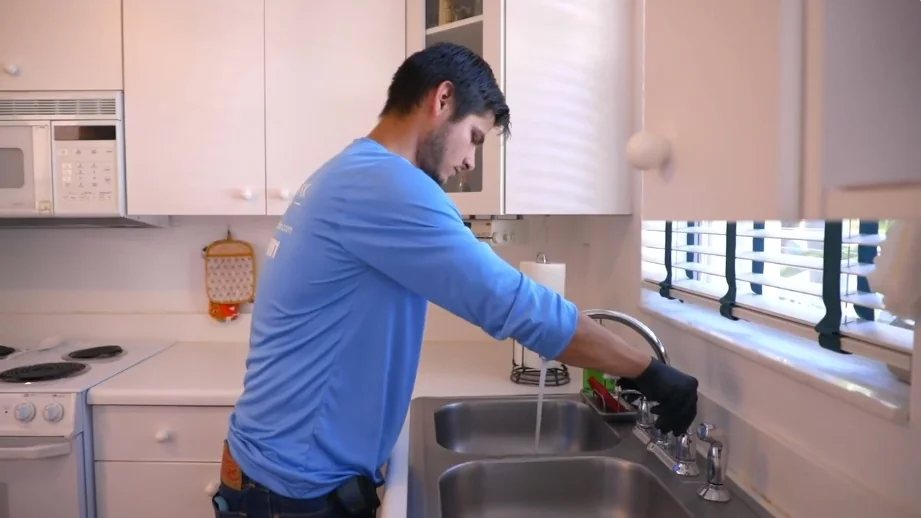
Quick water meter check
Start by checking toilets, since a running toilet can waste a large amount of water without being obvious.
Then do a basic meter check: turn off every faucet and water-using appliance and watch the meter. If it keeps moving, water is leaving the system somewhere.
Close the main shutoff valve to the house and watch the meter again.
Ready to find the source of the leak?
One call to Leak Detection Miami FL is all it takes to get connected with local help in Miami-Dade.
What Does Leak Detection Cost in Miami?
The cost of leak detection Miami homeowners pay depends mainly on the type of leak, how hard the line is to reach, and how much testing is needed to locate it. A straightforward wall leak usually takes less time than an intermittent slab leak or a pool with several possible failure points. Our cost guide explains what affects leak detection Miami pricing.
Pricing varies by provider and situation. For a fuller breakdown of what affects the price and what questions to ask before booking, see our cost guide.
Leak Detection Cost in Miami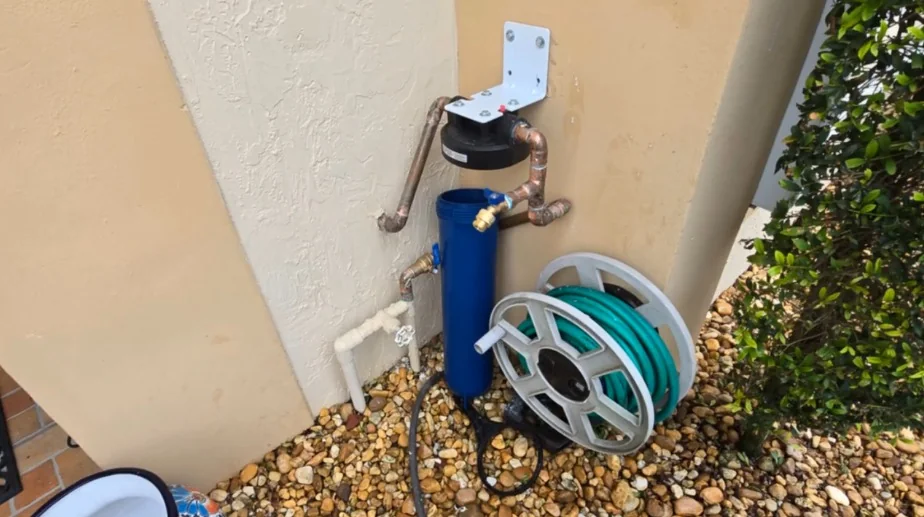
The main factors that affect price are:
Leak type.
Slab, underground, pool, wall and condo leaks each call for different testing.
Access.
Lines under concrete, deep underground or inside finished walls take more work to trace.
Property type.
A single-family home, a condo unit and a commercial building each bring different scope and coordination.
Number of systems or zones.
Testing hot and cold lines, the service line and a pool together takes longer than testing one system.
Methods required.
Some leaks are found with acoustic equipment alone. Others need thermal imaging, line locating or tracer gas.
Documentation.
A written report with photos may be priced separately.
Leak Detection Across Miami-Dade
Leak Detection Miami FL helps property owners find leak detection across Miami-Dade County, including Miami, Miami Beach, Miami Springs, Miami Lakes, North Miami and Miami Shores.
Each area has its own mix of properties. Miami Beach has high-rise condos and buildings exposed to coastal air. Miami Lakes and much of the mainland include many slab homes. Older neighborhoods such as Miami Shores and Miami Springs have homes from earlier building eras, often with pools and original plumbing. That context helps a specialist decide where to start.
If you don’t see your neighborhood listed, contact Leak Detection Miami FL to check availability. You can also read how our referral service works or browse our leak detection guides.
Leak Detection Areas in Miami-Dade
Serving Miami-Dade County
What Our Customers Say
Customer reviews will appear here — replace with real reviews
Water bill climbing or a stain spreading?
Don’t wait for the damage to grow. Call Leak Detection Miami FL now to get connected.
What to Do If You Think You Have a Leak
If you suspect a water leak, start by ruling out simple causes, then confirm the leak with your meter, and stop the water if active leaking is causing damage. These steps are safe for most homeowners: Asking for leak detection Miami help early can keep repairs smaller.
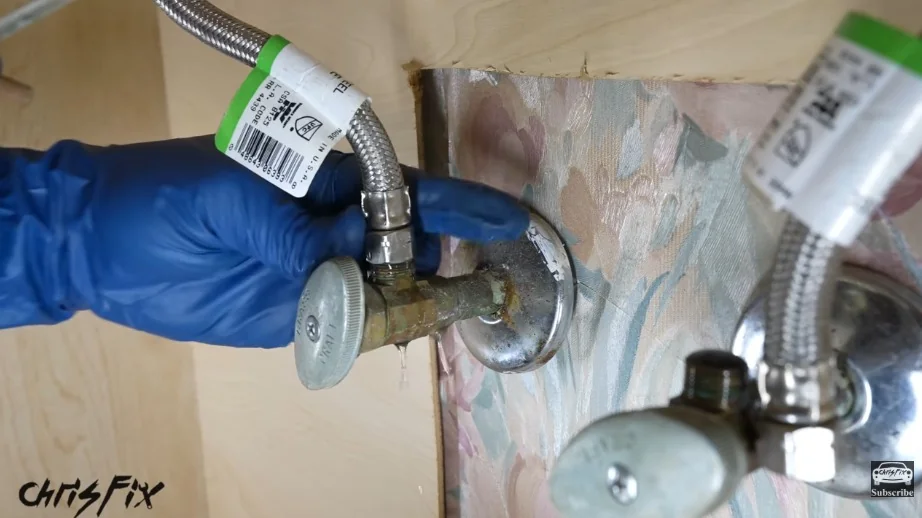
- STEP 1
Check the obvious fixtures.
Listen for running toilets, look under sinks, and check the water heater area and any visible supply lines.
- STEP 2
Watch the water meter.
With all water off, see whether the meter keeps moving. Note what you see, since it helps the specialist.
- STEP 3
Look for visible damage.
Check ceilings, walls, baseboards, floors and the yard for stains, swelling, soft spots or wet areas.
- STEP 4
Shut off the water if needed.
If water is actively damaging your property, close the main shutoff valve if you can do it safely. Keep away from water near electrical outlets, panels or appliances, and call a licensed electrician or emergency services if electricity is involved.
- STEP 5
Take photos.
Document the damage, the meter and recent bills before cleanup. These records can help with repairs, insurance questions and utility adjustments.
- STEP 6
Contact a leak detection professional.
Share what you’ve observed so testing can start in the right place.
A note on other kinds of leaks: this page covers water and plumbing leaks only. If you smell gas, leave the building right away and call your gas utility or 911 from a safe location. Air conditioning refrigerant leaks are a separate HVAC issue that an AC technician handles.
Why Accurate Leak Location Matters
Locating a leak accurately before any opening matters because it lets the repair start in the right spot, which can limit how much wall, floor, slab or landscaping needs to be disturbed.
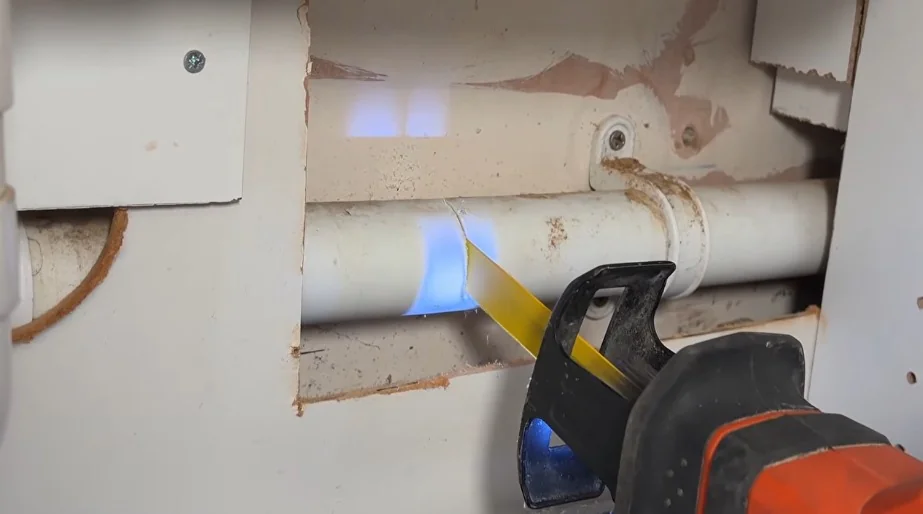
Without detection
Without detection, a repair can turn into exploratory work: opening one area, finding nothing, then opening another.
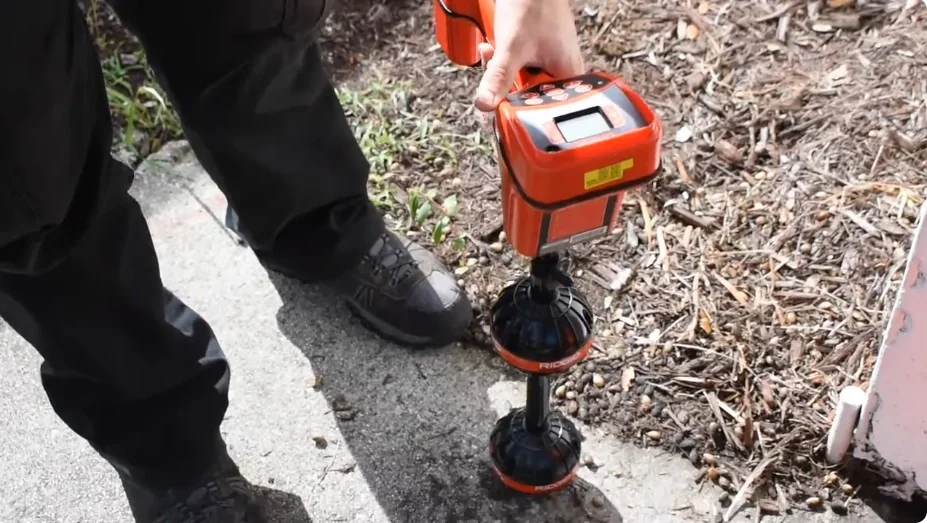
With accurate location
Accurate location also helps you make better repair decisions. Once the leaking line and location are known, you and your plumber can compare options, such as a spot repair or rerouting a line, with real information instead of assumptions.
Clear findings help after the repair too. Photos and notes about where the leak was found and what was tested can be useful when you talk with your insurance company, your condo association or the water utility. Policies and requirements vary, so always confirm what your insurer or utility needs.
Leak Detection Miami FAQs
How do professionals find hidden water leaks?
Professionals find hidden leaks by confirming that water is escaping, isolating which plumbing line is losing it, and then locating the leak with diagnostic tools. Common methods include acoustic listening equipment, thermal imaging, moisture meters, pressure testing, line locating and tracer gas. The method depends on the leak type and where the pipe runs.
Why is my water bill high if I can’t see a leak?
A high bill with no visible water often means a leak is hidden under a slab, inside a wall or underground on the service line. A running toilet is another common cause. If your meter moves while all water is off, water is escaping somewhere in your plumbing.
How do I know if I have a slab leak?
Common signs include warm spots on the floor, the sound of running water when all taps are off, cracks in flooring or walls, unexplained high water bills, and dampness or mold. A leak detection specialist confirms it with acoustic listening equipment and thermal imaging before any concrete is touched.
Can leak detection find a leak without breaking walls or floors?
Leak detection uses non-invasive testing to locate leaks before any opening, so many leaks can be pinpointed without exploratory demolition. However, reaching the pipe to repair it usually requires opening the area at the confirmed spot. Accurate location keeps that opening as small as practical.
How long does leak detection take?
Most residential appointments take one to three hours, depending on the size of the property, the type of suspected leak, and how accessible the plumbing is. Pool systems and long underground lines can take longer.
Is my pool leaking or just evaporating?
Miami heat causes real evaporation, but a simple bucket test tells the difference: place a bucket of pool water on a step, mark both levels, and compare after 24 hours. If the pool drops noticeably more than the bucket, you likely have a leak worth investigating.
Should I call a plumber or a leak detection specialist?
Plumbers repair plumbing; leak detection specialists pinpoint hidden leaks first using specialized diagnostic equipment. When the source of a leak is unknown, detection usually comes first so repair work is targeted instead of destructive.
What happens if leak detection doesn’t find the source?
Sometimes a leak needs further investigation, such as checking additional zones or systems. A professional will explain what was tested, what was ruled out, and what the sensible next steps are.
Think You Have a Hidden Water Leak?
If you’re seeing a higher water bill, a moving meter, unexplained stains or a pool that won’t hold water, leak detection can tell you where the problem is before repairs begin. Contact Leak Detection Miami FL to connect with a local leak detection professional in Miami-Dade.

A Miami-Dade referral service connecting homeowners, condo owners and property managers with independent local leak detection providers.
Call us today(645) 465-5599Call NowServices
Leak Detection Miami FL is a referral service and does not perform inspections or repairs. Services are provided by independent local providers.
© 2026 Leak Detection Miami FL. All rights reserved.